Drifters March Lessons Learned

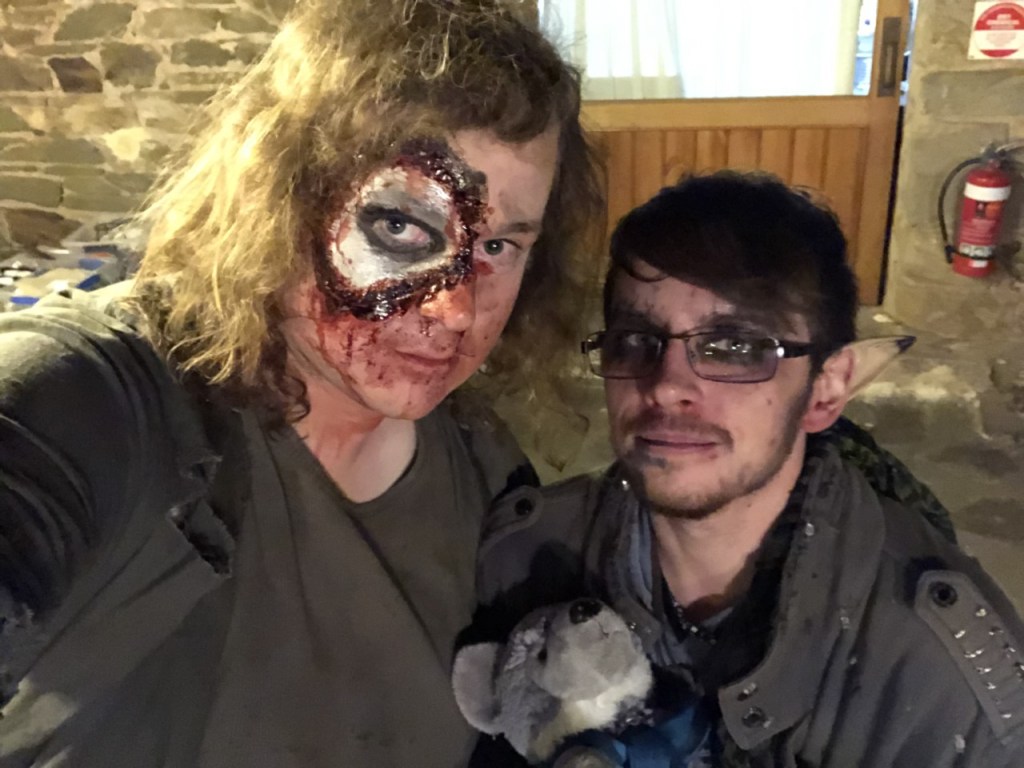
Drifter’s March was the biggest LARP I’ve ever run with 40 players and 11 cast members portraying NPCs. We’ve gone over an overview, some events that occurred during the game and the kind of effort that went into preparing for it.

Now I can talk about the various lessons that I learned from the event so that you can learn from the mistakes and successes I’ve made.

Continue reading “Drifters March Lessons Learned”

Moments at the Drifter’s March LARP

So last fortnight we discussed a basic overview of the Drifter’s March LARP event we ran back in August, covering off on the different factions and meta-plots included. Of course it’s all well and good to know about the basic set up of a game, but what actually happened during it? What did the players actually *do*?

When the game began, a few of the rangers were injured in a firefight with the robots and their leader was badly wounded.  One of their lead scouts (an NPC or Non Player Character who was doomed to die) managed to open the door to the inn and call for help before being shot in the back of the head from the robot on the other side of the river and dying with a walkie talkie held in her hand.

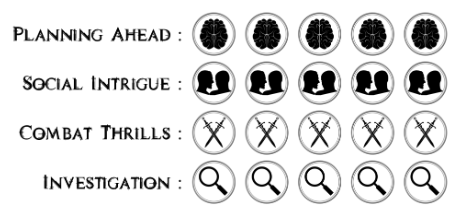
Those in the hall leapt into action and a bunch of them headed out to find the rangers and provide support.  They could also hear a pair of reporters pleading for help.  One had her leg caught in a trap and needed someone who could disarm it.  (Each character had five skills which could include the ability to disarm traps, pick locks, or shoot guns, among other things).  They managed to get around the robot and move into position but they didn’t have much time to evac the ranger captain before they were attacked.

Continue reading “Moments at the Drifter’s March LARP”

Drifter’s March LARP Spotlight

Drifter’s March is a post-apocalyptic sci fi game set on an alien world that has only been colonised for around 200 years. Seventy years ago a terrible incident occurred which led to the nanite-infused Wastelanders occasionally becoming quick healing animalistic cannibals called Zed-Synths. The robots that were sent out to kill them could only tell a wastelander apart from a Zed-Synth due to a special beacon implanted beneath the skin … but then the robots were reprogrammed and now they will attack anybody.

Setting is really important. As you can see, a lot of the elements described above will have a really big impact on how the game plays out. Of course, the player factions were equally important so we had several choices that players could make which would affect their goals and alliances.

Continue reading “Drifter’s March LARP Spotlight”

10 Ways Props Add To Your Game

I’ve always been a big fan of props and have strived to make them wherever possible, in both tabletop games and in LARP. It’s part of why I absolutely adore Call of Cthulhu games because some of their props are truly stunning.

There are so many great things that props can do for your game! Here are just a few examples of the ways they can enhance things.

Continue reading “10 Ways Props Add To Your Game”

LARP Trap Ideas

I haven’t used some of these trap ideas myself, yet, but over the course of years of perusing various different LARP rulebooks and reading articles on their mechanics I’ve managed to gather together a variety of different trap ideas. Of course most traps involve some combination of wire and noise-maker (or mousetrap) and if you trip the wire than you take a certain amount of damage.

Acid Reservoir: This is placed within a lock box and will destroy all items within the chest if it is opened.  The Trap Card for an Acid Reservoir will instruct any would-be thieves to rip it in half to show that someone has tampered with it and that you have no goodies left.  Some lock boxes will make the acid reservoir clearly marked so that people don’t attempt to break it open.  An Acid Reservoir can also be indicated by a water balloon though be mindful not to use these in any areas that have water-soluble items.

Contact Poison: You can use petroleum jelly on an object to create a contact poison that will affect anyone who touches it.  The poison tag must be kept nearby and within sight so that the players knows how to roleplay the poison.

Continue reading “LARP Trap Ideas”

13 MORE Tips On Being A Better LARP Player

There are some things you can do that will especially help out your Game Master in running a fun game, maintaining a good relationship with their venue and keeping the players around you happy and involved.

These focus on out-of-character behaviours that can really help the game experience. If you’d like to read the earlier article, check out 13 Tips on Being A Better LARP player.

Continue reading “13 MORE Tips On Being A Better LARP Player”

13 Tips On Being A Better LARP Player

It’s always good to find out the best ways to get involved and help everyone have a fun time. So I’ve listed out some handy tips on building a better community by being a better player.

These tips focus on out-of-character behaviours that can make the overall game a better experience for all involved. Naturally there are ways to improve your portrayal of character, ability to engage with plot and skill at creating captivating characters, but that’ll be the focus of future articles. For now let’s look at creating a great game environment for all involved.

Continue reading “13 Tips On Being A Better LARP Player”

Managing Bleed Through Game Design

Bleed is a LARP term defining emotional crossover between a player and their character. It’s not a bad thing. The rush of excitement on finding an important gadget and the satisfaction of an in-game job well done are also bleed. Bleed can also occur when our experiences affect our character’s behaviour such as when a player’s exhaustion leads to their typically free-wheeling character becoming quiet and withdrawn.

Other emotions such as fear, guilt and sorrow can also be entertaining experiences in a LARP that help us feel immersed.  There are plenty of players who will specifically attend a LARP that is designed to invoke an emotion that we may typically avoid in real life.  How many people attend horror LARPs for the possibility of feeling, just for a moment, a whiff of actual fear?

The problem arises when these emotions overwhelm us or when they persist over time.  It is one thing to feel sad during a character’s funeral and it’s another thing altogether to be crying over a fictional death a few weeks later.  Yet just as events in a television show can affect us long after we have stopped watching, so can a LARP continue to affect our emotions well after the scene ends.

Continue reading “Managing Bleed Through Game Design”

10 Steps to Manage Your Own Bleed

Bleed is a LARP term defining emotional crossover between a player and their character. Whenever you (as a player) feel an emotion due to the in-game reality or your character is impacted by your real world feelings, you are experiencing bleed.

Bleed includes the rush of excitement on finding an important gadget, the satisfaction of a job well-down and the sorrow of seeing a character die.  It also includes when your character refuses to go out on a mission because you (the player) are tired and need a nap.  In other words, it’s a natural part of the game and refers to the highs and lows that often inspire people to come along and get involved.  After all, you can feel sad when you see a character die on a movie or a play, why not in a LARP?

Continue reading “10 Steps to Manage Your Own Bleed”

10 Tips To Being A Great LARP NPC

We’ve touched a fair bit on how to be a great player in a LARP game but there’s also a group of people who can really make or break a LARP. A group of people who don roles created by the LARP writers and game masters to people the wider world, providing extra conflict and excitement during a session. These are the quest givers and the witnesses, the police who investigate the character’s crimes and the monsters that lurk in the forests. They add a lot to the game world but with the power to shape so many players’ experiences comes a great responsibility to do so well.

  1. Play to WIN the hearts and minds of the players. Too often people get caught up in the idea that they must win the conflict (physical or otherwise) or be sure to lose it when truly the goal is to entertain those around you and help the players write their narrative.
  2. Read your NPC bios and ask any questions you may have. You’ll be a much better NPC if you’re briefed on the scenario, likely choices and situations in the local area.  That way you won’t be surrendering when you’re meant to be fearless or talking about cheese in a world without milk.
  3. Congratulate the players on their skilful manoeuvres after the session. Odds are you saw more of their manipulations than the other PCs did.  Certainly never pay them out for their poor decisions.  We all make them.  Mistakes are part of playing one’s character and lacking a wider understanding of the game.  They should be embraced — don’t ridicule someone for making them.
  4. Read about body language tricks so that you can better depict your character and help differentiate them from others.
  5. Eat something for breakfast, or bring something with you if you can’t stomach food so early. That way you don’t get grumpy and fatigued as the day wears on.  And definitely drink water — or cordial if you just don’t like the taste of water.
  6. Be gentle with new players, in particular. Work with them and help make their hopes and dreams a reality!  This may be through targeting their character for a kidnapping, giving them the chance to make a speech or throwing their favourite monster into the fray.
  7. Remember that your NPC is most likely not omnipotent or omniscient. If it would be appropriate, assume your NPC doesn’t notice if the players try genre appropriate behaviours like sneaking up on your camp, eavesdropping from behind a tree or pocketing a key from a table.  Bonus points if you don’t tell them you saw them afterwards!
  8. Bring your own costuming, if you have it, and learn how to apply makeup or face paint if it would be appropriate for your game and you have the capacity to do so.
  9. Understand how much wiggle room for improvisation you actually have. If you’re not told, than ask.  Some games allow their NPCs far more free will than others.  Your GM’s response will depend on how events are scheduled, how cohesive the vision must be and whether your own gameplay desires are likely to mesh with the setting, player expectations and overall theme and style of the game.
  10. React to hits in a combat LARP. Nothing makes a person feel more special than when they land a blow and their enemy grunts in pain, shrieks in terror or otherwise responds as though they had been hit.  Heck, if your LARP involves dice-based combat you can respond to the player’s dice rolls as well!